Considering the pandemic of the coronavirus disease in the world and in Ukraine in particular, the increase in the number of patients with COVID-19, including among pregnant women, as well as the introduction of mandatory vaccination, more and more pregnant women turn to their obstetrician-gynecologist for recommendations on vaccination by asking about the safety and risks of the vaccine. Many people ask for a certificate stating that vaccination is contraindicated for pregnant women.
The following information is based on recommendations from the American Mayo Clinic, the American College of Obstetricians and Gynecologists, and the Society for Maternal-Fetal Medicine, as well as independent data.
Do pregnant women need to be vaccinated against COVID-19?
If you are pregnant or lactating, you are recommended to get the vaccine against COVID-19. Getting the COVID-19 vaccine can protect you from severe illness caused by COVID-19. Vaccination can also help pregnant women produce antibodies that can protect their babies. Although further research is needed, early results suggest that receiving the mRNA vaccine against COVID-19 during pregnancy does not pose serious risks to pregnant women who have been vaccinated or their babies. The findings are based on data from the CDC's coronavirus vaccine safety monitoring system. Also keep in mind that mRNA vaccines against COVID-19 neither change your DNA nor cause genetic changes.
Is pregnancy a contraindication to vaccination against COVID-19?
Pregnancy is not a contraindication to vaccination against COVID-19, so no doctor (family doctor or obstetrician-gynecologist) has the official right to issue a certificate with such a conclusion.
Can the fetus get infected with COVID-19 if the mother was vaccinated during pregnancy?
Vaccines against COVID-19 do not cause infection with the COVID-19 virus, including in pregnant women or their babies. None of the COVID-19 vaccines contain the live virus that causes COVID-19.
Is the COVID-19 vaccine safe for pregnant women?
Because the approval of the vaccine is a pandemic emergency, and because no medications or vaccines are being studied in pregnant women during the first phase of the study, there is no direct evidence of the safety of vaccination during pregnancy. At the same time, there is no theoretical evidence of harmful effects of vaccination on the course of pregnancy. There is no reason why the COVID-19 vaccines could be harmful to pregnant women. It is known that none of the components of the vaccine – nanoparticles – are harmful during pregnancy. The best evidence for pregnant women suggests that vaccination against COVID-19 is much safer than contracting COVID-19.
Are COVID-19 vaccines safe for lactating women?
There is no evidence that the COVID-19 vaccines are harmful to lactating women or their babies.
Do COVID-19 vaccines cause infertility?
There is no evidence that COVID-19 vaccines cause infertility. There is no evidence of an increase in miscarriages or a decrease in fertility (the ability to get pregnant) after vaccination. Knowing how effective the vaccines against COVID-19 are in preventing infection and how dangerous the infection is during pregnancy, women are advised to continue using contraceptives, complete the series of vaccinations against COVID-19, and then consider conception. Therefore, it is recommended to get vaccinated against COVID-19 if you are trying to become pregnant or may become pregnant in the future.
What you can do
If you are not vaccinated against COVID-19, take steps to reduce your risk of infection:
- Avoid close contact with anyone who is sick or has mild symptoms and keep a safe distance.
- Wear a face mask where recommended.
- Wash your hands frequently with soap and water for at least 20 seconds or use an alcohol-based hand sanitizer containing at least 60% alcohol.
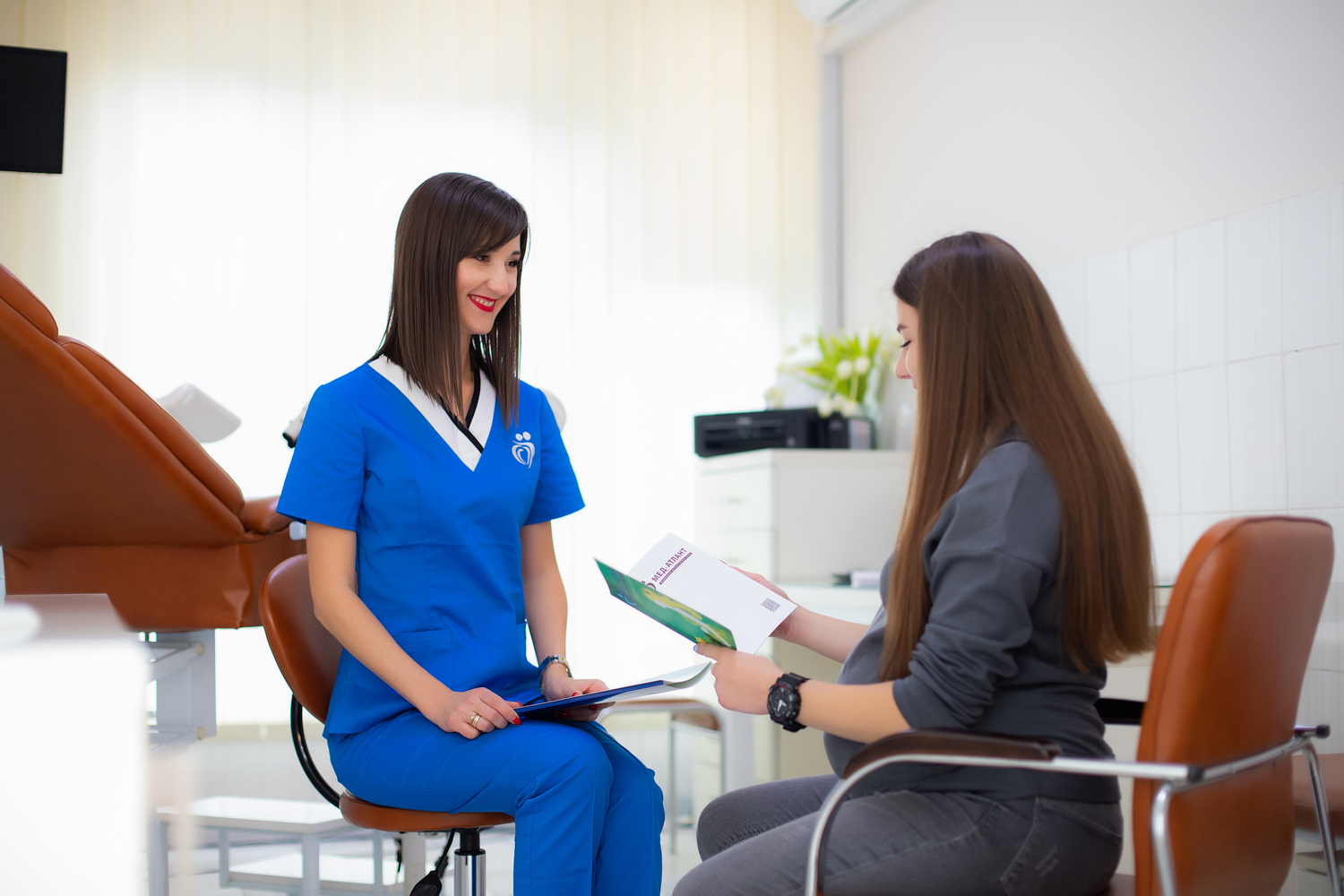
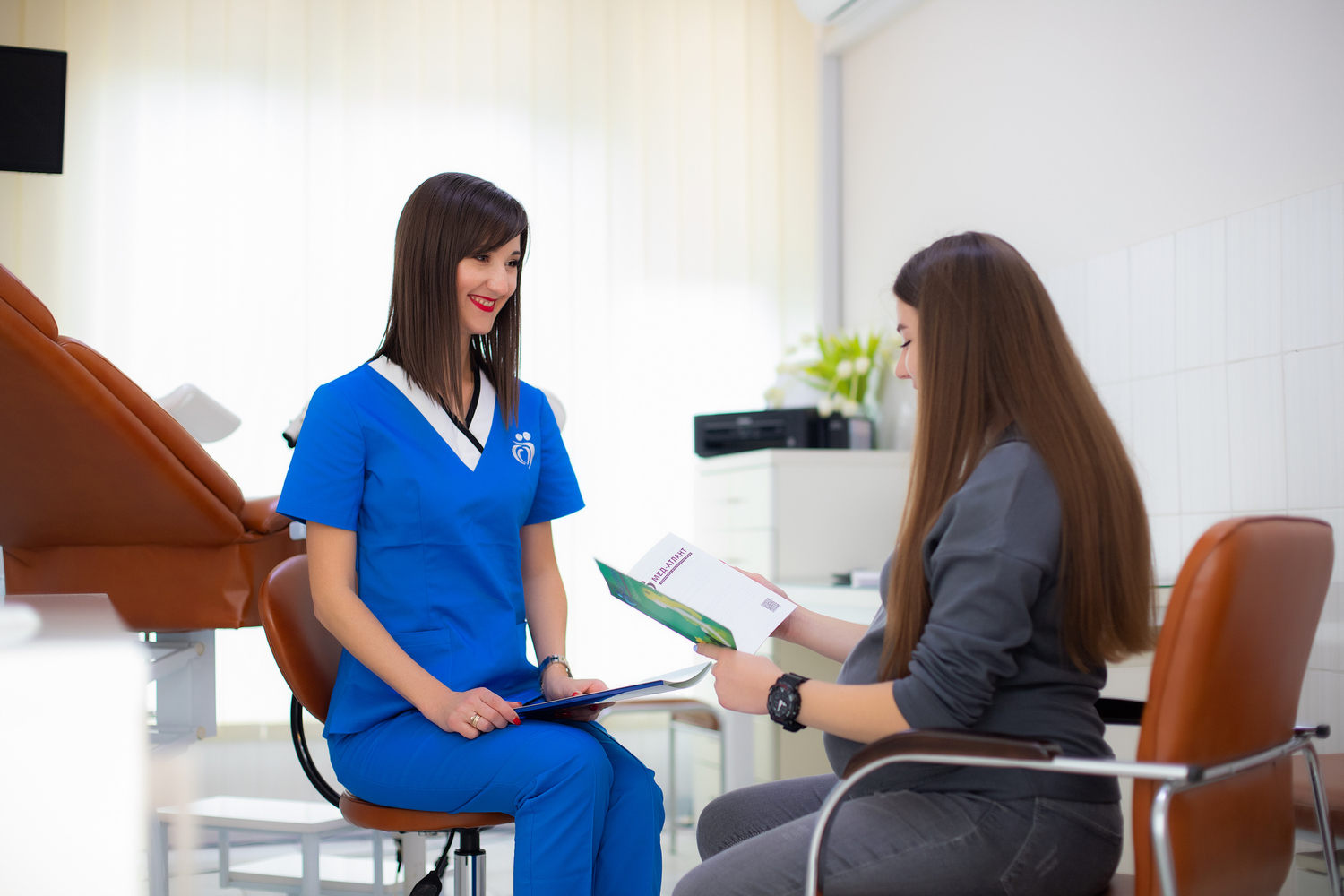
All of these safety measures apply to pregnant, lactating women and women planning to become pregnant. First and foremost, focus on taking care of yourself and your baby. Talk to your doctor to discuss any concerns. If you have concerns about vaccination, consult with your family doctor and obstetrician about the risks and benefits of vaccination.
Take care and be healthy!
Resources:
Guidelines of the American College of Obstetricians and Gynecologists and Society for Maternal-Fetal Medicine,
as well as independent data.
https://newsnetwork.mayoclinic.org/discussion/what-pregnant-and-breastfeeding-women-should-know-about-covid-19-vaccine/
Author of the article: Iryna Kupchak — Candidate of Medical Sciences, obstetrician-gynecologist.