
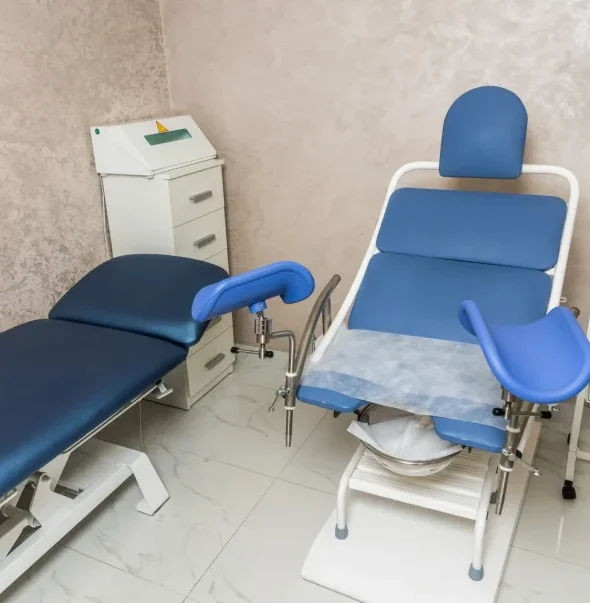

Treatment of rectal fistula

A pararectal fistula or fistula is a pathological channel that forms in the form of a passage between the rectum and the soft tissues surrounding it. Rectal fistulas cause significant discomfort and, if left untreated, can lead to serious consequences. The fistula can come out alongside the anus, significantly impairing the quality of life. In the presence of a fistula, surgical treatment is required.


Why do rectal fistulas occur?

The main cause of a pararectal fistula is purulent inflammation, which occurs due to the infection from the rectal lumen into the adjacent tissue. Without proper treatment, such an abscess opens up and a hole with a pathological course forms in its place.
They can lead to the formation of an abscess and the development of a fistula: Toggle Button
acute paraproctitis is the most common cause of pararectal fistula formation;
anal fissures;
injuries of the rectum;
tumors in the pelvic area;
Crohn’s disease;
frequent bowel movements;
chronic and acute hemorrhoids.
Factors contributing to the formation of a fistula include a sedentary lifestyle, overweight, immune diseases, or diabetes mellitus.

Symptoms of pararectal fistula

МедАтлант
The main signs of a pararectal fistula include the following:
МедАтлант
redness and swelling in the perianal area;
МедАтлант
painful tightness around the anus;
МедАтлант
frequent constipation caused by sphincter disorders;
МедАтлант
discharge of pus, phlegm, serous fluid, and blood from the anus;
МедАтлант
discomfort in the anus area: pain, itching, burning, feeling of a foreign body inside;
МедАтлант
acute pain during defecation;
МедАтлант
the presence of a fistula opening in the anus.
МедАтлант
When the first symptoms of a rectal fistula appear, you should immediately consult a proctologist.

Diagnosis of the disease

During the visit, the proctologist collects anamnesis by interviewing the patient, conducts a visual examination with palpation of the perianal area, as well as an instrumental examination – anoscopy.
If necessary, hardware diagnostics are prescribed: Toggle Button
X-ray examination (fistulography);
fistula probing;
computed tomography or MRI.

How to treat rectal fistulas

If a patient is diagnosed with a pararectal fistula, treatment can only be surgical. After all, without excision of the pathological canal, it is impossible to achieve a stable positive result, and inflammation will occur constantly. However, before removing the rectal fistula, the inflammatory process must be treated.
1
For this purpose, we conduct:
– opening of abscesses;
– installation of drainage;
– medical treatment with anti-inflammatory drugs and antibiotics.
2
After the inflammation is relieved, the fistula is removed. To do this, use:
– surgical excision;
– radio wave removal;
– laser treatment.
Make an appointment
Laser treatment of fistulas
Removal of rectal fistula without surgery using the laser thermal obliteration method (FiLaC). The main features of this intervention:
1. Low trauma and minimal blood loss;
2. Fewer contraindications than with traditional surgery;
3. Minor painful sensations;
4. Shorter hospitalization and quicker recovery.

How is the operation to remove pararectal fistulas performed?

Laser thermal obliteration of intestinal fistula is performed under general anesthesia. During the operation, the proctologist cleans the lumen of the fistula and then affects its internal walls with laser radiation. As a result, obliteration (complete closure) of the pathological canal and openings in the rectum and subcutaneous tissue in the anus occurs. The fistula is tightened with connective tissue and turns into an elastic scar. The patient stays in the hospital for 1-3 days before a control bowel movement.

Postoperative period

After the FiLaC procedure, the patient returns to standard physical activity on day 2-7. Excessive physical activity is contraindicated for 3-4 weeks. During this time, it is necessary to follow a diet: do not consume salty and spicy foods, carbonated and alcoholic beverages.
Treatment of rectal fistula in Ivano-Frankivsk using a minimally traumatic method can be performed at the Med-Atlant clinic.

PRICE OF PARARECTAL FISTULA TREATMENT

ServicePrice (UAH)
Price of pararectal fistula treatment
Excision of rectal fistula from 7500

QUESTION-ANSWER

Why does a rectal fistula develop?

Toggle Icon

A rectal fistula occurs due to purulent inflammation of the pararectal tissue in paraproctitis and some other diseases and injuries.

How to recognize a rectal fistula?

Toggle Icon

The presence of a pararectal fistula can be suspected by pain, discomfort, swelling and induration in the anus, discharge of pus, blood and phlegm, prolonged constipation and pain during defecation.

Why is a pararectal fistula dangerous?

Toggle Icon

In addition to discomfort and impaired quality of life, a pararectal fistula can cause fecal leakage, persistent constipation, abscess, sepsis, and the appearance of a malignant tumor.

What is the rehabilitation after fistula removal?

Toggle Icon

After rectal fistula removal, it is necessary to limit physical activity and exclude spicy and salty foods, alcohol, and carbonated drinks from the diet. The shortest rehabilitation period (3-4 weeks) is required after laser treatment.

OUR SPECIALISTS

OUR CONTACTS

МедАтлант
Block 1
Ivano-Frankivsk, Chornovola Str. 48
Mon-Fri: 08:00-20:00;
Sat: 08:00-15:00;
Sun: Non-working day
МедАтлант
Block 2
Ivano-Frankivsk, Chornovola Str. 23
Mon-Fri: 08:00-20:00;
Sat: 08:00-15:00;
Sun: Non-working day
